


Empty Eye Cream Tube Packaging Manufacturer in China
Weiwo is a leading Eye Cream Tube Packaging Manufacturer in China. Our eye cream container features a sleek design and portable size, making it convenient for on-the-go beauty enthusiasts. It is airtight and leak-proof, ensuring the freshness and potency of your eye cream. Innovative with eco-friendly materials and unique dispensers, it offers a touch of luxury and functionality. Customizable in colors, finishes, and shapes, our packaging allows you to create a unique look that sets your brand apart. Made from high-quality plastic and aluminum, it is durable and long-lasting.
- One-Stop Solution
- High Quality Standards
- ODM & OEM


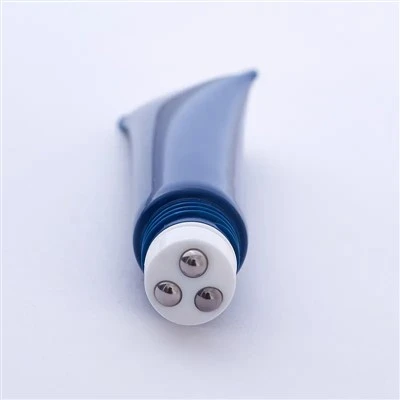


Eye Cream Tubes are specifically designed to meet the delicate requirements of eye cream packaging. These tubes ensure that sensitive eye cream formulas are protected, preserved, and dispensed with the utmost precision.
Ideal for various eye cream formulations, including anti-aging, hydrating, and firming creams.
Benefits of Eye Cream Tube
Cost-effectiveness
Tubes are a cost-effective packing solution. Brands can easily adapt their packaging to stay in line with current marketing trends by using custom artwork. Tubes may require additional packaging to be displayed directly on shelves at retailers.
Wide range of applications
Brands across different industries can use tube packaging for countless applications and products. Personal care items, pharmaceutical products, household items, food, and health and beauty products are just a few of the applications that have already taken advantage of the benefits of tube packaging.
Clean and easy dispensing
Tube packaging comes with a variety of heads that allows for clean and easy dispensing. This feature allows the user to easily control the amount of product dispensed without creating a mess. All of the product contained in the tube can be accessed and used, unlike glass and plastic containers in which product is left inaccessible at the bottom or corners of the packaging.
Keeps active ingredients from losing effectiveness
Tubes have secure lids and exteriors, protecting the contents against possible contaminants from users, light exposure, or air. Preventing content contamination and degradation helps brands maintain a good reputation with their customers and allows customers to get the most use out of their purchase. Users extract the contents of the tube by squeezing it, avoiding direct contact with the product and thereby reducing contamination. Tubes also feature protective barriers like ethylene vinyl alcohol or aluminate laminate that keeps active ingredients from deteriorating the packaging.
Convenience
Squeeze tube packaging is convenient and easy to transport. Tube packaging is lighter and more compact than more traditional packaging options and can easily be thrown in a bag to be taken on the go. Flip-top tube packaging further enhances convenience by allowing users to simply flip the top to use the product without the worry of losing the lid.
Design possibilities
The design capabilities for tube packaging are virtually limitless. Manufacturers can make 3ml tubes for specialty cosmetics or 270ml tubes for a hair cream. Different heads and lids are available to suit your product, including slanted needlepoint tips, needlepoint tips, or lid choices like screw-top lids or flip lids. If the product is meant to be applied directly to a surface there are a range of applicator heads, including titanium roller balls for serum or brush tips for lip gloss. Most importantly, the tube’s external appearance can be customized to reflect the brand and product.

Nozzle tube: Nozzle tubes are the ones that dispense just the right amount of cream on your hand. They are the best option if you want to dispense it right under your eye.
Applicator tube: The applicator tube is the option that you can use if you don’t want to use your finger for spreading the eye cream. The applicator surface has a hole that dispenses the cream.
Roll-on tube: The third type of eye cream tube that is available is the roll-on tube. This is meant to be used directly on the target area under the eye. Unlike other variants, this one dispenses the cream gradually over a ball.
Tube body
The primary structure of the cosmetic tube, typically cylindrical in shape, is called the tube body. It is made from materials like plastic (such as HDPE, LDPE, or PP), aluminum, or a combination of materials. The tube body holds and protects the cosmetic product.
Cap or closure
The cap, also known as the closure or top, is the component that seals the opening of the tube. It prevents the cosmetic product from leaking, ensures product freshness, and protects against external contaminants. Caps can come in various styles, including screw caps, flip-top caps, pump dispensers, or nozzle caps, depending on the type of cosmetic product and user convenience.
Dispensing mechanism
The dispensing mechanism is the part of the cosmetic tube that controls the release of the product. Depending on the type of cosmetic formulation, this can be a pump, nozzle, roll-on applicator, dropper, or a simple squeeze design. The dispensing mechanism facilitates easy and controlled application of the cosmetic product.
Collar or shoulder
The collar or shoulder is the section of the cosmetic tube that connects the tube body to the cap. It provides structural support and ensures a secure attachment of the cap to the tube. The design of the collar can vary based on the overall aesthetic and functional requirements of the tube.
Shoulder seals and liners
Some cosmetic tubes may include shoulder seals or liners beneath the cap to provide an additional barrier against contamination and to ensure the integrity of the product. These seals or liners can be made from materials like foil or plastic.
Bottom seal or crimp
The bottom seal or crimp is the sealed end of the tube. In plastic tubes, it is often heat-sealed, while in aluminum tubes, it may be crimped or sealed using other methods. This ensures the containment of the cosmetic product within the tube.
Process of Eye Cream Tube
Raw material selection
The journey of producing eye cream tubes begins with selecting high-quality raw materials. Common materials used for eye cream tubes include plastic (such as polyethylene, polypropylene, or pet), aluminum, and laminated materials. With recent rising concerns about the environment, sugarcane material is now being increasingly inquired about. Each material has its unique properties, catering to different product requirements and preferences.
Eye cream tube extrusion and formation
The heart of tube manufacturing pulsates within the extrusion and formation processes:
● Extrusion: Raw materials are subjected to controlled heat and pressure, undergoing a transformation into molten form. Through precision extrusion techniques, the molten material is shaped into cylindrical tubes of specified dimensions.
● Tube forming: Cooling mechanisms swiftly solidify the extruded material, imparting structural integrity and dimensional accuracy to the nascent tubes. Advanced machinery meticulously sculpts the tubes, customizing diameters and lengths according to precise specifications.
Printing on eye cream tubes
● Artwork design: Designers create artwork tailored to the tube’s dimensions and surface area.
● Printing method: Common printing methods include offset printing, flexographic printing, and digital printing, each offering various benefits in terms of quality, speed, and cost-effectiveness.
● Printing application: Tubes are fed through printing machines, where ink is applied to the surface according to the artwork design.
Eye cream tubes capping
Securing the essence of cosmetic formulations demands flawless capping proficiency:
● Cap selection: Curates an extensive array of caps and closures, ranging from flip-tops to screw caps, meticulously tailored to complement each tube’s design and functionality.
● Precision application: Automated capping machinery seamlessly affixes caps onto the tubes, ensuring a snug fit and optimal functionality through precise threading or snap-fit mechanisms.
Cosmetic tube sealing(optional)
The journey culminates with the meticulous sealing of cosmetic tubes, safeguarding product integrity and consumer satisfaction:
● Heat sealing excellence: Employing cutting-edge heat sealing technologies, achieves impeccable seals for plastic and laminated tubes, guaranteeing tamper-proof protection and product freshness.
● Ultrasonic precision: For select tube materials, ultrasonic sealing techniques are employed, harnessing ultrasonic waves to fuse materials together seamlessly, without the need for external heat sources.
● Crimping mastery: Aluminum tubes undergo expert crimping processes, where the tube’s open end is delicately folded and secured, encapsulating the contents within an impenetrable barrier.
Traditional storage methods often fall short when it comes to addressing the specific needs of cosmetic plastic tubes. One of the primary challenges is clutter. Without proper organization, tubes can quickly pile up, making it difficult to locate and retrieve them efficiently. Imagine rummaging through a drawer full of tubes, desperately searching for your favorite lipstick or eye cream. It's frustrating and time-consuming.
Limited space is another challenge that many cosmetic enthusiasts face. As our collection of tubes grows, finding adequate storage space becomes increasingly difficult. It's not uncommon for tubes to end up scattered across various locations, leading to disorganization and potential damage.
Speaking of damage, improper storage can also result in tubes getting crushed, bent, or even lost. We've all experienced the disappointment of finding a beloved product with a crushed tube, rendering it difficult to use or even unusable.
Furthermore, without a proper storage system in place, it becomes challenging to keep track of expiration dates. Cosmetic products have a limited shelf life, and using expired products can lead to skin issues or ineffective results. By implementing an organized storage solution, it becomes easier to rotate products and ensure that everything is used within its recommended timeframe.
FAQ
We're professional eye cream tube manufacturers and suppliers in China, specialized in providing high quality custom service. We warmly welcome you to wholesale high-grade eye cream tube at competitive price from our factory. Contact us for more cheap products.