


Weiwo Cosmetics Packaging is a leading provider of high-quality cosmetics packaging materials with over 15 years of industry expertise. We specialize in producing a wide range of cosmetic containers, including cosmetic bottles, cosmetic jars, cosmetic tubes, and other packaging materials. We have production bases in Shanghai and Zhejiang, plant area of 10,000 square meters, annual production capacity of 200 million US dollars, and is constantly expanding. We have modern equipment and advanced manufacturing processes in place to ensure consistent product quality, regardless of the order size or complexity.


Cosmetic plastic bottles are one of the widely used packaging containers in the cosmetics industry. Due to their light weight, durability, and aesthetic appeal, plastic bottles have become the mainstream trend in cosmetic packaging. However, different plastic materials have their own unique characteristics in cosmetic packaging.

Lightweight: The significant advantage of plastic in cosmetics packaging is its lightness. Its ease of transport and handling makes it a logistic dream, especially for custom cosmetic packaging solutions where weight can impact shipping costs significantly.
Versatile designs: Plastic’s flexibility in design is unparalleled. It can be molded into various shapes and styles, offering boundless creativity for custom cosmetic packaging. This versatility allows brands to create unique, eye-catching designs that stand out on the shelves.
Cost-effectiveness: Plastic remains a budget-friendly option in the cosmetics packaging industry. Its lower production costs make it an attractive choice for brands looking to manage expenses without compromising design.
Barrier properties: Plastic packaging is a mini-fortress that protects cosmetics from moisture, air, and contaminants. This ensures the longevity and efficacy of the cosmetic products within.
Material of Cosmetic Plastic Bottle
PET (Polyethylene terephthalate) plastic:
PET plastic is the most common thermoplastic polymer resin of the polyester family and is a solid option when choosing the best plastic bottles for cosmetics, due to its ability to provide an oil barrier between the plastic and the product.
A popular choice for smaller cosmetic containers for products such as mascaras or lipsticks, PET plastic can take on the appearance of glass when fully set in the required shape and can be manufactured in multiple colours.
This can also come in squeezable forms, ranging from semi-rigid to rigid, ideal for creams and serums, but remains a strong, unbreakable product. It also allows a cosmetic company to stand out from the competition due to the options it provides in terms of distinctive packaging.
As an extremely lightweight product, shipping costs can be a lot lower than other bottles. PET plastic bottles are also easy to store and are 100% recyclable.
Polypropylene (PP) plastic:
PP plastic is a thermoplastic polymer and is desirable to cosmetic manufacturers due to its functionality. Widely used as a compact container, this versatile product is one of the best plastic bottles for cosmetics as it is coloured very easily with dye and is easy to clean once empty.
Relatively cheap to produce, PP plastic bottles are flexible with good chemical resistance and are ideal in a collapsible, squeezy tube form. Lotions, serums, gels and creams can all be packaged in these bottles without any fears of splitting or cracking, due to the strength of PP material.
Other uses for PP plastic tubes include lipstick, lip gloss and mascara. Considered to be more eco-friendly than counterparts, PP plastic bottles requires less resin to produce the tubes and is easily recyclable.
High-density polyethylene (HDPE) plastic:
As a thermoplastic polymer made from petroleum, HDPE plastic is one of the best plastic bottles for cosmetics, thanks to its versatility and strength.
A popular choice for cosmetic manufacturers with products requiring a dispensing pump that is lightweight but strong and durable, but also offers several closures used to customise final cosmetic products.
This is a waterproof option for any cosmetics that are kept in the bathroom near the sink or shower as it doesn’t corrode or split. HDPE plastic is also resistant to different temperatures. It is also packaged to be safe and secure during transportation.
Relatively cheap to produce, HDPE plastic bottles, when used for cosmetics, are highly functional and are fully recyclable when empty.
Low-density polyethylene (LDPE) plastic:
LDPE is a thermoplastic created from the monomer ethylene and, whilst transparent, it can flexible and durable. It can be ideal for cosmetic products that require a squeezy bottle, such as creams and lotions.
Semi-crystalline, it’s resistant to moisture and to most chemicals as well as high temperatures. LDPE is cost-effective and economical, and can be recycled.
Cosmetic Plastic Bottle Manufacturing Process
Prepare the raw materials: The main raw material for plastic bottles is petrochemicals, which are refined into ethylene or propylene. These chemicals are then processed into plastic pellets, which serve as the raw material for making bottles.
Melt the plastic: The plastic pellets are melted and extruded into long tubes using a machine called an extruder. The tubes are then cooled and cut into shorter lengths. These lengths are known as preforms, which are smaller versions of the final bottle.
Injection molding: In the preform injection molding stage, the preforms are heated again and placed into a mold that shapes them into the desired bottle shape. The mold is then cooled, and the preform is ejected from the mold.
Blow molding: Once the preform has been molded into the desired shape, it is transferred to a bottle blow molding machine. The preform is clamped into the machine, and compressed air is used to inflate the preform, taking the shape of the final bottle. The pressure from the compressed air also ensures that the bottle’s walls are even and uniform in thickness.
Inspection and quality assurance: After the bottle has been formed, excess material is trimmed off, and the bottles are inspected for any defects or imperfections. This is an important step to ensure that the bottles meet the required standards for quality and safety.
labeling: Once the bottles have been inspected, they are labeled with product information, such as brand name, product name, and ingredients. They are then packaged for distribution to customers.
Selecting the Right Plastic Bottle
These are the four key factors to consider when selecting the ideal plastic bottle for your product. These include the following:
Materials
The quality and type of bottle material may impact your products’ quality and shelf life. For instance, a porous material may allow air to pass through or lessen the potency of fragrances.
Take note that there are plastic packaging options for several types of liquid. Therefore, it is important to research well or consult an expert.
Purpose
In choosing the right plastic bottle for a product, you must consider how it will be used or received by the consumer. For instance, beverages and quick-consumable products are best packaged in lightweight plastic bottles, such as PET.
On the other hand, perfumes and liquid toiletries that may last for months should be stored in more durable packaging options. These products are also best offered with pumps or spray nozzles to add convenience to the customer.
Consumer preferences
Meeting customer demands is critical to the success of plastic bottle packaging. Hence, understanding the needs and preferences of your target market will help you determine the most suitable bottle type, size, or style for your product. For example, small plastic bottles for liquid cosmetics are ideal when marketing to travel-loving customers.
Design and trends
Using current trends to impact packaging design will assist you in creating a visual experience for the customer. Plastic bottles with unique patterns, particular shapes, or stunning colors improve a product’s final look, allowing it to capture consumers’ attention.
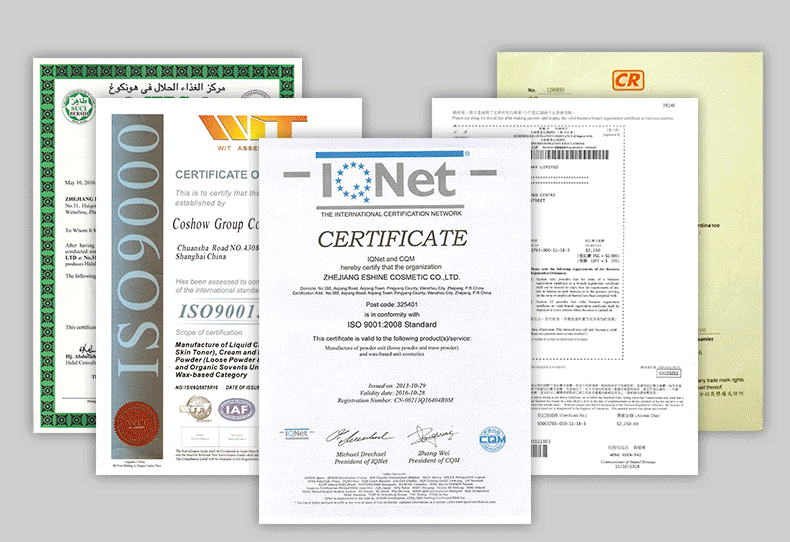
Certificates
FAQ
We're professional cosmetic plastic bottle manufacturers and suppliers in China, specialized in providing high quality custom service. We warmly welcome you to wholesale high-grade cosmetic plastic bottle at competitive price from our factory. Contact us for more cheap products.