


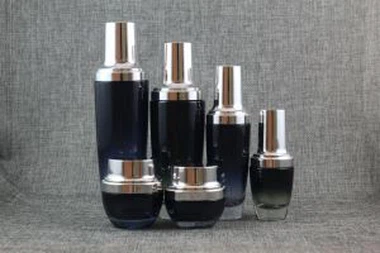
Cosmetic glass bottles are glass containers used to store and package lotions, perfumes, essences, creams and other cosmetics. They are usually made of clear or colored glass and come in various shapes and sizes to accommodate different quantities of product. The glass used in cosmetic bottles is usually thick and strong to prevent breakage and leakage. Some cosmetic glass bottles may also have special designs, such as a pump or spray mechanism, to make it easier to apply the product.


Premium appearance
Cosmetic glass bottles are generally considered to be of higher quality and more elegant than plastic bottles. The transparency of glass allows consumers to see the products inside, which can increase their desire to buy.
Chemical stability
Glass is a highly stable material that does not react with most cosmetic ingredients. This helps maintain product quality and integrity over the long term.
Impermeability
Glass is air- and moisture-proof, helping to protect products from oxidation and contamination. This is especially important for products that are air-sensitive or have a short shelf life.
Recyclability
Glass is recyclable, making it a more sustainable option than plastic. Recycling glass reduces waste and conserves resources.
Heat resistance
Glass can withstand high temperatures, which is important for some cosmetics that need to be heated or stored at high temperatures. This makes glass a more versatile option than plastic.
Non-toxic
Glass is a non-toxic material that does not leach harmful chemicals into products. This is very important for cosmetics that come into contact with the skin.
Customizable
Glass bottles can be customized in different shapes, sizes and designs to meet a brand's specific needs. This allows brands to create unique and memorable packaging designs that stand out on the shelf.
Sustainable
Glass is a sustainable option that can be recycled and reused many times. This helps reduce waste and minimize the environmental impact of the cosmetics industry.
Versatile
Glass bottles can be used to package a variety of cosmetics, including lotions, perfumes, serums, creams, and powders. This makes them a versatile choice for brands that offer multiple product lines.
Authenticity
Glass bottles are often considered more authentic and authentic than plastic bottles. This helps build trust and credibility with consumers, especially for luxury or high-end cosmetics brands.
Why Choose Us
15 Years experience
More than 15 years' experiences of mold development and packaging product manufacturing
Quality Control
All the products must be through our QC strict inspection.
ODM & OEM
Support logo customization, product design, new product development according to customer requirements and our skills.
Eco friendly
We are committed to producing cosmetic packaging from recyclable and degradable materials.
Spray bottles
These bottles are designed to dispense products in a fine mist or spray. They are commonly used for perfumes, hair sprays, and body sprays. Spray bottles can be made from glass or plastic, and they may have a pump or spray mechanism.
Dropper bottles
These bottles have a narrow neck and a small opening that allows for controlled dispensing of liquid products. They are commonly used for serums, oils, and other liquid cosmetics. Dropper bottles can be made from glass or plastic, and they may have a pipette or dropper mechanism.
Cream jars
These jars are designed to hold creams, lotions, and other thick liquid or semi-solid cosmetics. They have a wide mouth and a deep container that allows for easy access to the product. Cream jars can be made from glass or plastic, and they may have a screw-on lid or a flip-top cap.
Pump bottles
These bottles have a pump mechanism that allows for easy dispensing of liquid or cream products. They are commonly used for shampoos, conditioners, body lotions, and facial cleansers. Pump bottles can be made from glass or plastic, and they may have a clear or opaque design.
Tube bottles
These bottles have a narrow neck and a long, thin container that allows for easy dispensing of liquid or cream products. They are commonly used for lip glosses, mascara, and other liquid cosmetics. Tube bottles can be made from plastic or glass, and they may have a twist-off cap or a pump mechanism.
Jar bottles
These bottles have a wide mouth and a deep container that allows for easy access to the product. They are commonly used for powders, facial masks, and other dry cosmetics. Jar bottles can be made from glass or plastic, and they may have a screw-on lid or a flip-top cap.
Bottle with a brush
These bottles have a long neck and a brush attached to the lid that allows for easy application of liquid or cream products. They are commonly used for nail polish, foundation, and other liquid cosmetics. Bottle with a brush can be made from glass or plastic, and they may have a clear or opaque design.
Application of Cosmetic Glass Bottle


Perfumes
Perfumes are one of the most common applications of cosmetic glass bottles. They are used to store and package perfumes, colognes, and other scented products. Cosmetic glass bottles for perfumes are often designed to be elegant and luxurious, with a fine mist or spray mechanism for easy application.
Serums and lotions
Serums and lotions are another common application of cosmetic glass bottles. They are used to store and package liquid products such as serums, moisturizers, and toners. Cosmetic glass bottles for serums and lotions may have a pump or dropper mechanism for controlled dispensing.
Creams
Creams are also commonly packaged in cosmetic glass bottles. They are used to store and package thick liquid or semi-solid products such as creams, lotions, and masks. Cosmetic glass bottles for creams may have a screw-on lid or a flip-top cap for easy access to the product.
Powders
Powders are sometimes packaged in cosmetic glass bottles. They are used to store and package dry products such as powders, foundation, and blush. Cosmetic glass bottles for powders may have a screw-on lid or a flip-top cap for easy access to the product.
Nail polish
Nail polish is sometimes packaged in cosmetic glass bottles. They are used to store and package liquid products such as nail polish, nail varnish, and nail care products. Cosmetic glass bottles for nail polish may have a brush or a pump mechanism for easy application.
Makeup remover
Makeup remover is sometimes packaged in cosmetic glass bottles. They are used to store and package liquid products such as makeup remover, cleansing milk, and toners. Cosmetic glass bottles for makeup remover may have a pump or dropper mechanism for controlled dispensing.
Hair care products
Hair care products such as shampoos, conditioners, and hair serums are sometimes packaged in cosmetic glass bottles. They are used to store and package liquid products such as shampoos, conditioners, and hair serums. Cosmetic glass bottles for hair care products may have a pump or flip-top cap for easy access to the product.
Glass bottle
The glass bottle body is the main component of the product. It is usually made of high-quality glass that is thick and durable to prevent breakage. The glass used for cosmetic bottles is usually treated to make it resistant to scratches, cracks and shattering. Glass bottles can be clear, frosted or tinted, depending on the product's requirements.
Glass bottleneck
The neck of a glass bottle is the narrow part that connects the body of the bottle to the cap or cap. It is usually threaded to allow for easy opening and closing of the bottle. The neck can also be designed to fit specific types of closures, such as droppers or pumps.
Glass bottle cap
The cap or closure of a glass bottle is the component that seals the bottle and prevents product leakage or spillage. Covers can be made from a variety of materials, such as plastic, metal, or glass. It can also be designed into different shapes and sizes according to the requirements of the product. Some common closure types used for cosmetic glass bottles include screw caps, droppers, pumps, and sprayers.
Glass bottle pump
A pump is a closed device that dispenses product in a controlled manner. It is commonly used in products such as lotions, serums, and oils. The pump consists of a plastic or metal mechanism attached to the neck of a glass bottle. When the pump is pressed, a vacuum is created that draws the product up through the tube and dispenses it through the nozzle.
Glass bottle dropper
A dropper is a closed device that dispenses product in small amounts and with precision. It is commonly used in products such as essential oils and serums. A dropper consists of a glass or plastic tube connected to the neck of a glass bottle. When you squeeze the dropper, it pulls the product up through the tube and dispenses it through a small opening.
Glass bottle sprayer
A sprayer is an enclosed device that dispenses a product in a fine mist. It is commonly used in products such as perfumes and body sprays. Sprayers consist of a plastic or metal mechanism that attaches to the neck of a glass bottle. When the sprayer is pressed, it releases a fine mist of product.
Glass bottle label
Labels are components that provide product information such as name, ingredients, and directions for use. Labels can be made from a variety of materials, such as paper, plastic, or vinyl. It is usually fixed to the glass bottle body using adhesive.

Cosmetic glass bottles are made of high-quality glass that is specifically designed for packaging beauty and skincare products. The glass used for cosmetic bottles is different from regular glass used for windows or drinking glasses. It is thicker, more durable, and often treated to make it resistant to scratches, cracks, and shattering.
The most common type of glass used for cosmetic bottles is soda-lime glass. This type of glass is made from a mixture of sand, soda ash, and limestone. It is the most affordable and widely used type of glass for packaging. Soda-lime glass is also easy to recycle, making it an eco-friendly choice for cosmetic packaging.
Another type of glass used for cosmetic bottles is borosilicate glass. This type of glass is made from a mixture of silica and boron oxide. It is known for its high resistance to thermal shock, making it ideal for products that require heating or cooling. Borosilicate glass is also more resistant to chemical corrosion than soda-lime glass, making it a good choice for products that contain acidic or alkaline ingredients.
In addition to soda-lime and borosilicate glass, there are other types of glass used for cosmetic bottles, such as tempered glass and lead-free crystal glass. Tempered glass is heat-treated to make it stronger and more resistant to breakage. Lead-free crystal glass is a type of glass that contains no lead, making it a safer and more eco-friendly alternative to traditional crystal glass.
How to Maintain Cosmetic Glass Bottle
Clean regularly
Make sure to clean your cosmetic glass bottle regularly to prevent the build-up of dirt, bacteria, and other contaminants. You can clean the bottle with warm water and mild soap or use a specialized cleaning solution.
Store properly
Store your cosmetic glass bottle in a cool, dry place away from direct sunlight and heat. This will help prevent the contents from deteriorating or spoiling.
Replace caps and seals
Make sure to replace the caps and seals on your cosmetic glass bottle regularly to ensure a tight seal and prevent air and moisture from entering the bottle. This will help prevent the contents from spoiling or drying out.
Handle with care
Handle your cosmetic glass bottle with care to avoid cracking or breaking it. Avoid dropping or banging the bottle, as this can cause damage.
Label properly
Make sure to label your cosmetic glass bottle properly with the name of the product, the ingredients, the expiration date, and any other relevant information. This will help you keep track of the contents and ensure that you use them before they expire.
Recycle or dispose of properly
When you're done with your cosmetic glass bottle, make sure to recycle or dispose of it properly. Check with your local recycling center or waste management facility to see how to dispose of it properly.
Size and capacity
Determine the appropriate size and capacity of the bottle based on the product you are packaging. Consider factors such as the product's viscosity, usage frequency, and shelf life. Ensure that the bottle can hold an adequate amount of product without being too large or too small.
Closure type
Consider the type of closure that best suits your product. Different closures, such as screw caps, droppers, pumps, or sprayers, offer different dispensing methods and control over product usage. Choose a closure that is functional, easy to use, and complements the overall design of the bottle.
Shape and design
The shape and design of the bottle play a significant role in attracting consumers and conveying the brand's image. Consider the aesthetic appeal, ergonomics, and branding opportunities offered by different bottle shapes and designs. Ensure that the bottle's shape and design align with your product's target market and brand identity.
Glass type
Consider the type of glass used for the bottle. Soda-lime glass is the most common and affordable option, while borosilicate glass offers higher resistance to thermal shock and chemical corrosion. Choose a glass type that suits the specific needs of your product and aligns with your brand's values.
Transparency and visibility
Glass bottles offer transparency, allowing consumers to see the product inside. Consider the level of transparency required for your product. Transparent glass provides full visibility, while frosted or colored glass can create a more sophisticated or unique appearance.
Branding opportunities
Evaluate the branding opportunities offered by the bottle. Consider factors such as label placement, surface area for branding elements, and compatibility with labeling techniques. Ensure that the bottle allows for effective branding and communicates your product's key messages.
Safety and quality
Ensure that the glass bottle meets safety and quality standards. Look for bottles that are made from high-quality glass, are resistant to breakage, and have undergone appropriate testing and certifications. Consider factors such as the thickness of the glass, the quality of the closure, and any additional safety features.
Sustainability
Consider the environmental impact of the glass bottle. Look for bottles that are recyclable and made from recycled glass. Consider the overall sustainability of the packaging, including the materials used for closures and labels.
Cost
Evaluate the cost of the glass bottle, including the bottle itself, closures, and any additional customization or branding. Consider your budget and the value provided by the chosen bottle in terms of quality, functionality, and branding opportunities.
Handle with care
Glass bottles are fragile and can crack or shatter if not handled properly. Always handle glass bottles with care, especially when filling or emptying them. Avoid dropping or hitting the bottle against a hard surface as this may cause cracking or breakage.
Store properly
Store glass bottles in a safe and secure location away from direct sunlight, heat or moisture. Avoid stacking glass bottles on top of each other as this increases the risk of breakage. Use strong, stable racks or storage containers to keep bottles upright and prevent them from falling.
Use appropriate closure devices
Choose a cap that fits the size of the bottle neck and provides a secure seal. Make sure the cap is properly tightened to prevent leakage or contamination. Avoid over-tightening the bottle cap as this may cause the bottle to crack or crack.
Clean and disinfect
Clean and disinfect glass bottles before and after use to prevent contamination and maintain hygiene. Clean the bottle using a mild detergent and warm water, then rinse thoroughly to remove any residue. Soak the bottles in a solution of water and disinfectant or use a sterilizer to sterilize them.
Avoid extreme temperatures
Glass bottles can withstand certain temperatures, but extreme heat or cold may cause them to crack or crack. Avoid exposing glass bottles to temperatures above 60°C or below -20°C. If the product requires heating or cooling, use appropriate methods and avoid sudden changes in temperature.
For intended purpose
Only use glass bottles for their intended purpose and avoid using them for other purposes. Do not use glass bottles to store or transport corrosive or hazardous substances, as this may cause damage to the bottle and pose a safety risk.
Proper disposal
Glass bottles are recyclable and environmentally friendly, but they can also pose safety risks if not handled properly. Dispose of glass bottles in designated recycling bins or facilities, or follow local glass disposal regulations. Avoid throwing glass bottles in the trash or littering as this may cause harm to the environment and others.

Gather the necessary materials
Before starting the installation process, gather all the materials you will need, including the glass bottle, closure or dispenser, and any additional components such as seals or gaskets.
Clean the bottle and closure
Ensure that both the glass bottle and closure are clean and free from any dirt, dust, or residue. Use a mild detergent and warm water to clean the bottle, and wipe it dry with a clean cloth. Clean the closure or dispenser using the appropriate cleaning method recommended by the manufacturer.
Check compatibility:
Ensure that the closure or dispenser is compatible with the glass bottle. Check the neck size and thread type of the bottle to ensure a proper fit. If necessary, consult the manufacturer's guidelines or contact customer support to confirm compatibility.
Apply any necessary seals or gaskets
Some closures or dispensers may require the use of seals or gaskets to provide a secure and leak-proof seal. Check the manufacturer's instructions to determine if any seals or gaskets are needed. If required, carefully place the seal or gasket on the bottle's neck before attaching the closure.
Align the closure or dispenser
Hold the closure or dispenser above the bottle's neck and align it properly. Ensure that the closure or dispenser is centered and straight before proceeding.
Attach the closure or dispenser
Depending on the type of closure or dispenser, follow the appropriate method to attach it to the bottle. Common methods include screwing on a cap, pressing down a pump or sprayer, or inserting a dropper. Follow the manufacturer's instructions for the specific closure or dispenser you are using.
Tighten securely
Once the closure or dispenser is attached, tighten it securely to ensure a proper seal. Use your hand to tighten the closure firmly, but avoid over-tightening, as this can cause damage to the bottle or closure.
Test for leaks
After installing the closure or dispenser, perform a leak test to ensure that the bottle is properly sealed. Fill the bottle with water or a test product and gently tilt it in different directions. Check for any signs of leakage around the closure or dispenser. If there are any leaks, remove the closure, check for any issues, and reattach it securely.
Label and package
Once the cosmetic glass bottle is properly installed, label it with the necessary information such as product name, ingredients, and branding. Package the bottle in a suitable box or container to protect it during storage or transportation.
What Are the Trends and Development Directions of Cosmetic Glass Bottle in the Market
Sustainable packaging
As awareness of environmental issues continues to grow, the demand for sustainable packaging solutions continues to grow. Cosmetic glass bottles are considered environmentally friendly because they are recyclable and reusable. To keep up with this trend, manufacturers are focusing on using recycled glass, reducing packaging waste and implementing innovative recycling programs.
Minimalist and luxurious design
Simple packaging design is becoming more and more popular in the cosmetics industry. Clean, sleek, and minimalist glass bottle designs with simple labels and elegant caps are favored by consumers looking for a modern, sophisticated look. On the other hand, luxury glass bottles with intricate details, unique shapes and premium finishes cater to consumers looking for high-end and exclusive products.
Customization and personalization
Personalization is an important trend in the cosmetics industry, and glass bottles offer ample opportunities for customization. Brands are incorporating personalized labels, engravings or embossing on glass bottles to create unique and memorable experiences for consumers. Customized packaging allows brands to connect with their target audience and increase brand loyalty.
Innovative dispensing system
Dispensing systems play a vital role in the functionality and user experience of cosmetic products. Manufacturers are developing innovative dispensing systems for glass bottles, such as pumps, droppers, sprayers and roller-ball applicators, to provide precise and controlled product delivery. These systems enhance convenience, reduce product waste, and improve the overall user experience.
Multifunctional packaging
Consumers are increasingly looking for multi-functional products that offer multiple benefits in a single package. Cosmetic glass bottles are designed to accommodate a variety of product formats, such as dual-chamber bottles for combining two different formulas, or bottles with built-in applicators for easy use. Multifunctional packaging offers convenience and versatility to consumers.
Digital integration
The rise of e-commerce and digital platforms has impacted the cosmetic packaging industry. Brands are incorporating digital elements into glass bottle packaging, such as QR codes, augmented reality (AR) tags or near field communication (NFC) tags. These digital integrations provide consumers with additional product information, tutorials or interactive experiences, thereby enhancing brand engagement.
Anti-counterfeiting measures
Counterfeit cosmetics pose significant risks to consumer health and brand reputation. To combat counterfeiting, glass bottle manufacturers are implementing anti-counterfeiting measures such as holographic labels, tamper-proof caps or unique identification codes. These measures help consumers identify authentic products and protect brand integrity.
Lightweight and travel-friendly packaging
As travel and busy lifestyles become more common, lightweight and travel-friendly packaging is becoming increasingly popular. Glass bottle manufacturers are developing lightweight glass formulations or applying protective coatings to reduce the weight of bottles while maintaining their durability. Additionally, travel-sized glass bottles or refillable options are available to cater to frequent travelers.
Company Picture
We mainly provide high quality premium packaging for the cosmetics, perfumes and personal care industries. The company has strong R&D investment, raw materials from Europe and the United States, strict quality control, advanced equipment, product quality in line with the United States FDA standards, European EEC standards, as well as Australia, Finland, Germany, Japan and other countries special requirements. Now we have more than 30,000 styles, we can also give you customized products according to your ideas. Our customers are all over the world, the main markets are the United States, Canada, the Netherlands, Italy, Korea, Russia, Switzerland, Thailand, etc.


Our Certificate


FAQ:
Q: What are cosmetic glass bottles made of?
Q: Are glass cosmetic bottles better than plastic bottles?
Q: Can I use existing cosmetic bottles for other products?
Q: How to clean cosmetic bottles?
Q: How to store cosmetic bottles?
Q: Can I refill my cosmetic bottles with different products?
Q: How do I know if my cosmetic bottle is expired?
Q: Can fallen cosmetic bottles be used?
Q: How to dispose of empty cosmetic bottles?
Q: Can I use cosmetic bottles that have been exposed to heat or sunlight?
Q: What are the benefits of using sustainable cosmetic bottles?
Q: How do you know if a cosmetic bottle is recyclable?
Q: Can I use cosmetic bottles that are contaminated with other products?
Q: How to prevent cosmetic bottles from leaking?
Q: Can broken cosmetic bottles still be used?
Q: How do I choose the right size cosmetic bottle for my product?
Q: Can cosmetic bottles that have been stored for a long time be used?
Q: How do I clean my pump or spray bottle?
Q: Can I use a cosmetic bottle that has been used for a different product?
Q: How do I store my pump or spray bottle?
We're professional cosmetic glass bottle manufacturers and suppliers in China, specialized in providing high quality custom service. We warmly welcome you to wholesale high-grade cosmetic glass bottle at competitive price from our factory. Contact us for more cheap products.