


Hangzhou Weiwo Cosmetic Packaging is a focus on product packaging material research and development has 15 years of strength manufacturers. Our extensive portfolio encompasses a diverse range of high-quality cosmetic packaging bottles tailored to meet the evolving needs of the personal care and beauty industries. Whether you're an established brand or an emerging player in the personal care and beauty industries, Weiwo is your trusted partner for wholesale cosmetic bottles in China. Leverage our expertise, quality, and customization capabilities to elevate your product packaging and captivate your target audience.
Why Choose Us
15 Years Experience
We have more than 15 years of experience in mold development and packaging product manufacturing.
Quality Control
The quality of all our products complies with US FDA standards, European EEC standards, and special requirements of Australia, Finland, Germany, Japan and other countries, and must undergo strict inspection by our QC. In addition, the factory has also passed ISO9001 certification.
ODM & OEM
Support logo customization, product design, new product development according to customer requirements and our skills.
Eco-Friendly
We are committed to producing cosmetic packaging from recyclable and degradable materials.


Introduction of Cosmetic Bottle Showroom
The cosmetic bottle is used for containers (primary packaging) and secondary packaging of fragrances and cosmetic products. Cosmetic bottle is governed by an international norm set by the International Organization for Standardization and by national or regional regulations such as those of the EU or the FDA. Marketers and manufacturers must comply with these to distribute their products in the corresponding areas of jurisdiction.
Easy to Adapt
Bottles are incredibly adaptable to your needs; whatever size, shape or color you want. Whether you print a label to adorn your bottle or decorate straight onto it, your bottle will be branded to promote your company. Choose your material, the size, finish, color and closure to create your dream product packaging. Popular cosmetic bottle materials include glass and plastic, both moldable to your desire, be it square and precise, or round and shapely. Most cosmetic bottles present a choice of finishes such as clear, frosted or colored. Personalizing a product bottle and adapting it to your requirements is simple, allowing you to properly brand and present your product to customers.
Practical
Simple and functional, your customers will love the faff-free access they have to your product. Depending on the type of closure you have on your cosmetic bottle, you can reduce accidental product wastage, spoilage and contamination. Customers can rest assured their product will be easy to attain and safe and secure in its bottle packaging. Bottles don't present any faff; no crumpled-up tubes or jars exposing the product to the elements, just uninhibited access to every last drop.
Refillable
Most cosmetic bottles can be refilled, commonly glass bottles. You can offer your customers a discount for refilling their bottle with you. Not only will you get repeat customers, but also environmental peace of mind. Customers will love your sustainable approach without worrying about mounting rubbish.
Protect Products
Cosmetic bottles are incredibly hygienic, as the product doesn't have to be exposed to air or contaminants until it is being used. Unlike a screw-top pot or unreliable caps, a bottle safely protects the product, helping to increase its longevity and reduce wastage. Promise your customer a hygienic product and deliver one with less chance of spoiling than your competitor's.
Durable
Just like how cosmetic bottles protect your product from contamination, cosmetic bottles protect your product from wear and tear. Plastic and glass cosmetic bottles are particularly durable and hard wearing. Where cheap plastic pots and aluminum tins may smash and get damaged, bottles are able to survive rough conditions without cracks or significant damage. There are also risks involved in transport concerning dented or smashed packaging, however, ensuring good quality resilient materials and careful transporting can reduce these risks.
Cost-Effective
Producing, transporting and recycling cosmetic bottles is extremely cost-effective, especially for plastic. As plastic is comparatively lightweight, plastic cosmetic bottles can be shipped and transported for relatively low costs. Plastic is also somewhat cost-effective in terms of energy usage in production; requiring less energy than other materials due to its lower melting point.
Easy to Recycle
Both plastic and glass cosmetic bottles are highly recyclable, with most being suitable for local collections. There is often a mistrust of plastic and misunderstanding of just how recyclable it is. With the world becoming ever more environmentally conscious, having recyclable packaging is paramount to being a respected brand with concern for the environment.
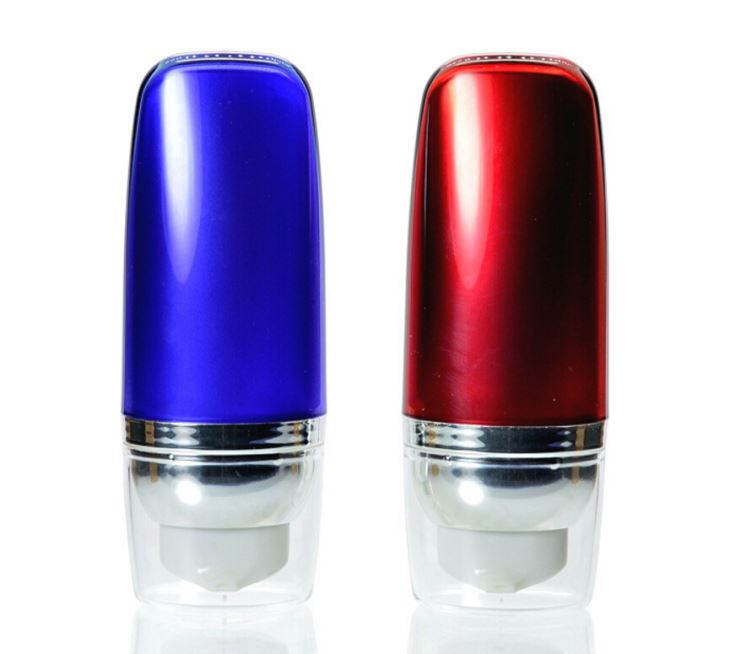
Pump Bottles
Pump bottles are the hygienic heroes of the cosmetic world. These airtight wonders are ideal for lotions, creams, and serums. They prevent contamination and offer mess-free application with every pump. Plus, the controlled dosage helps avoid waste products – no more accidental spills!
Dropper Bottles
The controlled drops allow for targeted application of serums, essential oils, and eye products. The airtight design safeguards precious ingredients from light and air exposure, ensuring maximum potency for every drop.
Jars
Jars offer a classic and luxurious way to house creams, scrubs, and masks. They provide easy access with a wide opening, perfect for scooping or finger application. Glass jars showcase the beauty of your product. At the same time, plastic options offer a lightweight and travel-friendly alternative.
Airless Pump Bottles
The airless design prevents product oxidation and contamination, extending the shelf life of your creation. Your serums and essential oils stay potent longer! Airless pumps are ideal for products that degrade quickly upon contact with air, ensuring every drop remains fresh and compelling.
Travel Bottles
Leak-proof and compact, they allow you to bring your favorite skincare essentials on the go without the worry of spills or messes. Available in various sizes and materials, they offer a convenient way to maintain your beauty routine wherever you wander.
Polypropylene
PP is the third most extensively manufactured commodity plastic (after PE). It has a wider variety of characteristics and is more heat-resistant than PE. PP is available in a variety of characteristics that allow it to be utilized for goods requiring strong impact and long-term dimensional stability, as well as having a high chemical resistance.
Polyethylene
PE is one of the most commonly used polymers in the world. Polyethylene have excellent chemical and impact resistance, as well as electrical characteristics and a low coefficient of friction. Branched types are referred to as low-density polyethylene (LDPE) or linear low-density polyethylene (LLDPE); linear types are referred to as high-density polyethylene (HDPE) and ultrahigh-molecular-weight polyethylene (UHMWPE) (UHMWPE).
Polyethylene Terephthalate
PET is the most recyclable material in the world, with remarkable clarity and chemical resistance. The material is suitable for use in a variety of techniques, including injection molding, blow molding, injection blow molding and injection stretch blow molding.
Copolymers
Greater clarity over cleared PP and have good physical characteristics for a wide range of container types. These are amorphous copolymer thermoplastics with higher chemical resistance when compared to other materials such as ABS or PMMA.
Poly Methyl Methacrylate
PMMA, acrylic, is a transparent thermoplastic that is widely used as a substitute for glass. PMMA is sometimes known as plastic glass. Glass Polymer.
Styrene Acrylonitrile
AS/SAN, ABS's descendant, has an excellent mix of rigidity, strength, toughness, and transparency.
Acrylonitrile Butadiene Styrene
ABS plastic is recyclable and has high impact, heat, and acid chemical resistance. ABS is a material with excellent impact resistance, and outstanding moldability owing to its three primary components.
Pcr Material
Is the raw material made from waste from the consumer/end user. Due to increasing interest in the use of recycled material in packaging.
Recyclable Plastics
Recyclable plastics is the material that can be reused for manufacturing another product after disposal.
Recycled Plastic
We talk about recycled plastics manufactured using raw material reused in its whole or at a particular percentage. The most standardized use of these new products is forming recycled packaging, but also for energy assessment or conversion to new products by chemical recycling. Mechanical recycling consists of a physical process in which plastic is recycled for it's re-use once used in industrial processes.
Biodegradable | Bioplastics
Biodegradable or bioplastic is those made of fossil or natural raw materials derived from cellulose, lactic acid, polysaccharides, oils… These can be broken down by organisms (bacteria, fungi, alga …) into a suitable environment (temperature conditions, moisture, light, oxygen, etc).
Biobased Material
This sustainable solution is almost the same a bioplastic, except with the particularity that in addition, raw materials come from renewable sources (non-fossil raw material).
Compostable Plastic
It is an organic material that has the property of becoming compost during the composting process. Compost is the end result of the biodegradation process of these organic materials, which is obtained industrially. Organic materials ( usually waste) are made of compost via disintegration and aerobic biodegradation (when oxygen is present).
What Should be Considered When Choose a Cosmetic Bottle Showroom?
Product Compatibility
Selecting the right material is vital for preserving the longevity and efficacy of cosmetics. Inappropriate materials may cause unwanted chemical reactions or alter product texture, negatively impacting the user experience. Consider factors like the product's formulation, consistency, and compatibility with the container's sealing mechanism when selecting cosmetic bottle materials. Plastic, glass, and aluminum are some of the materials commonly used for cosmetic bottle.
Product Protection
The main role of cosmetic bottle is to safeguard the cosmetic product from outer elements like air, moisture, light, and temperature that might degrade its quality. Consider the material's ability to withstand external factors like temperature changes, humidity, and light exposure. Additionally, evaluate its strength and durability to prevent leakage and breakage. The packaging material should be impermeable to external elements to conserve the product's integrity and avoid any deterioration during transportation or storage.
Sustainability
When selecting cosmetic bottle materials for cosmetics, consider options that are recyclable, biodegradable, or made from renewable resources. Sustainable cosmetic bottle materials have the ability to increase your business reputation and attract environmentally conscious buyers. Additionally, opt for suppliers that prioritize sustainable, lean manufacturing processes and utilize eco-friendly raw materials.
Brand Image
When it comes to reflecting the brand's image and identity, packaging plays a crucial role. The cosmetic bottle material should accurately reflect the brand's identity, aesthetics, and values, while resonating with the target audience's preferences. Consider how different materials, colors, textures, and designs can enhance brand perception and create a cohesive brand experience across various products.
Convenience for Customers
User experience is an essential factor to consider when selecting cosmetic bottle materials. The packaging should provide ease of use, portability, and functional product dispensing for consumers. Evaluate how the material's weight, shape, and design contribute to a convenient and enjoyable user experience, ultimately encouraging brand loyalty and repeat purchases.
Cost
Assess the material's manufacturing, shipping, and storage costs, and consider its impact on the product's overall price. Opt for cost-effective solutions that align with your brand's values without compromising quality, aesthetics, or sustainability. However, make sure not to compromise on the quality of the cosmetic bottle for reducing costs.
Step 1 Leave the Bottle upside Down, So the Product Falls to the Opening.
Once you've used most of the product in the cosmetic bottle, turn the bottle upside down and leave it for several hours or overnight so that the last of the product will fall down towards the cap. Then, carefully remove the cap and allow the remaining product to slide out. The amount of time it will take for the product to slide down towards the opening varies depending on the type of product. For example, liquid face wash or mouthwash will likely take much less time than a thick lotion or conditioner.
Step 2 Use a Beauty Spatula to Scoop out the Last of the Bottle's Contents.
There are several types of beauty spatulas on the market today that are specifically made for scooping the last bits of product out of small containers and bottles. While there will likely still be some product residue left behind, these tiny spatulas fit through the opening of most cosmetic bottles and will allow you to scrape much of the product from the sides and bottom.
Step 3 Rinse the Bottle With Water to Loosen and Liquefy Any Residue.
Remove the cap of the cosmetic bottle and pour in a small amount of water, filling it about 1/8 to ¼ of the way up. Replace the cap and shake the bottle to swish the water around so that it combines with the remaining product and loosens it from the bottle walls. Remove the cap and pour out the remaining thinned, liquefied product.

4-Step Ordering Process
Submit A Quote Request
The process for custom cosmetic bottles development begins with a quote request. You can submit a quote request telling us what you're looking to have produced and we can then provide you with a quote on how much your custom product order would cost.
Send Over Your Design
If the quote looks good to you, the next step will be sending us the custom design you want added to your custom cosmetic bottles. Ideally, your design will be in an Adobe Illustrator (.ai) or encapsulated postscript (.eps) format, but we can help you convert the file for free if it isn't. If you don't have a design created, we can help you create a design at no cost!
Review The Proof
Once we have your custom design, we'll then create a proof for you to review so that you can see what your design will look like on your new custom cosmetic bottles. If you approve of the proof, we'll then send you an invoice before beginning production.
Production & Delivery
Once your invoice is paid, we'll begin production. We'll deliver your custom cosmetic bottles straight to you after production. If you don't have the storage for your whole order, we can store a portion of your order for you until you need it.
Our Factory
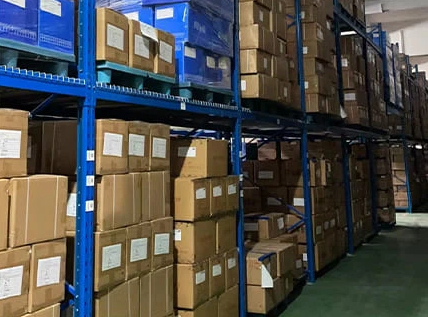
We mainly provide high quality premium packaging for the cosmetics, perfumes and personal care industries. The company has strong R&D investment, raw materials from Europe and the United States, strict quality control, advanced equipment, product quality in line with the United States FDA standards, European EEC standards, as well as Australia, Finland, Germany, Japan and other countries special requirements. Now we have more than 30,000 styles, we can also give you customized products according to your ideas. Our customers are all over the world, the main markets are the United States, Canada, the Netherlands, Italy, Korea, Russia, Switzerland, Thailand, etc.



.jpg "productcate-1-1")
Our Certification
We have passed qualification certifications from many countries.

Ultimate FAQ Guide to Cosmetic Bottle Showroom
We're professional cosmetic bottle showroom manufacturers and suppliers in China, specialized in providing high quality custom service. We warmly welcome you to wholesale high-grade cosmetic bottle showroom at competitive price from our factory. Contact us for more cheap products.