How can you tell if a perfume bottle is vintage?
Aug 26, 2023
Leave a message
There are a few ways to tell if a perfume bottle is vintage, depending on the age, shape, color, branding, rarity, labels, condition, and spray size of the bottle. Here are some tips to help you identify and value antique perfume bottles:
- Bottle Age: The older the bottle, the more likely it is to be vintage. You can look for clues such as the type of alcohol used in the perfume, the percentage of alcohol indicated on the label or box, and the style of the bottle. For example, if your bottle has a label stating SDA (Specially Denatured Alcohol), it dates to the 1940s-1950s. If your box or label has a number with a degree symbol, such as 80% or 90%, this notes the perfume or cologne's alcohol percentage and helps date the bottle to after the 1950s.
- Bottle Shape: The shape of the bottle can also indicate its age and origin. Some common shapes are round, square, rectangular, oval, triangular, and heart-shaped. Some bottles have unique shapes that reflect the theme or name of the perfume, such as animals, flowers, fruits, or figures. Some bottles are also designed to be used with atomizers, which allow people to spray their perfume directly on their skin or clothing. These bottles usually have a bulb or pump attached to a tube that connects to the bottle. Atomizers became popular in the late 19th century and early 20th century.
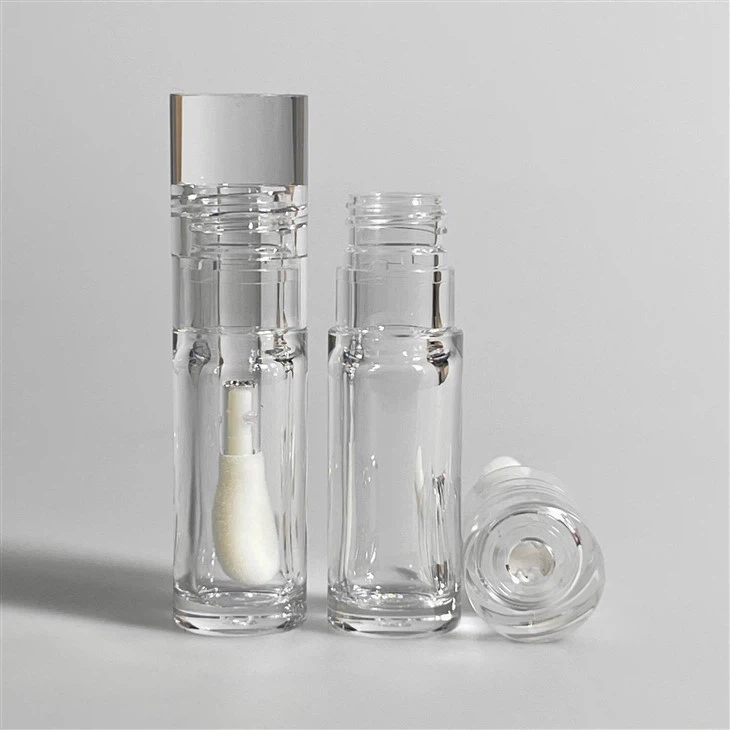
- Bottle Color: The color of the bottle can also give you some clues about its age and value. Vintage cologne bottles from the 17th-18th century are clear and transparent. Later bottles may have different colors, such as blue, green, pink, purple, red, yellow, or amber. Some bottles may also have patterns or decorations on them, such as stripes, dots, swirls, or flowers. Some colors and patterns are more rare and valuable than others.
- Branding: The branding of the bottle can also help you identify and value it. Some well-known perfume houses that produced antique perfume bottles are Guerlain, Chanel, Coty, Lalique, Baccarat, and Tiffany. These brands often have their names or logos engraved or printed on the bottle or the cap. Some brands also have distinctive styles or designs that make them recognizable. For example, Lalique perfume bottles are known for their intricate and artistic glasswork in the Art Nouveau and Art Deco styles.
- Rarity: The rarity of the bottle is another factor that affects its value. The rarer the bottle, the more valuable it is. Some factors that make a bottle rare are its age, condition, design, color, size, and edition. For example, some bottles may be limited editions that were only produced for a short time or for a special occasion. Some bottles may also be prototypes or samples that were never released to the public.
- Labels: The labels on the bottle can also provide some information about its age and value. Labels may include the name of the perfume, the name of the maker or manufacturer, the country of origin, the ingredients or contents of the perfume, and other details. Labels may also have dates or codes that indicate when and where the bottle was made¹². Labels may be made of paper, metal, plastic, or fabric. Labels may also vary in size and shape. Some labels may be missing or damaged due to age or wear.
- Bottle Condition: The condition of the bottle is another important factor that affects its value. A cracked or chipped bottle is worth less than one that is in perfect condition. Other signs of damage or deterioration are scratches, stains, discoloration, fading, corrosion, mold, or dirt. The condition of the cap or stopper is also important. A missing or broken cap or stopper can reduce the value of the bottle significantly. The condition of the perfume itself is also relevant. A perfume that has evaporated or turned bad can affect the value of the bottle negatively.
- Spray Size: The spray size of the bottle can also help you determine its age and value. Spray size refers to how much perfume comes out when you spray it. Older bottles tend to have smaller spray sizes than newer ones. This is because older perfumes were more concentrated and potent than modern ones. Smaller spray sizes also helped preserve the perfume longer and prevent wastage. Larger spray sizes indicate newer bottles that have less concentrated and more diluted perfumes.
I hope this helps you identify and value your vintage perfume bottles!